
What Is Loofah Guide?
Loofah Guide is your trusted online source for everything about Luffas, from Bath, Body, Kitchen, Household, Pet Grooming, Spa And Cleaning care tips to sustainable living, product comparisons, and industry insights. Whether you’re a curious user or a global importer, this is your one-stop loofah encyclopaedia.
Explore by Category
Loofah Answers Hub
Your most common loofah questions answered clearly and simply.
Loofah How-To & Care Guides
Learn how to use, clean, and care for loofahs like a pro.
Loofah Product Deep Dive
Discover detailed insights into every loofah product type.
Loofah Business Insights
Stay updated with loofah industry news and export trends.
Eco Loofah Living
Go green with eco-friendly and zero-waste loofah practices.
Best Loofahs & Comparisons
Find top loofah products, rankings, and side-by-side reviews.
The Loofah Journey
Explore the story behind Egypt’s natural loofahs.
All About Loofahs
Everything you’ve ever wanted to know about loofah sponges.
FEATURED ARTICLES & LATEST POSTS
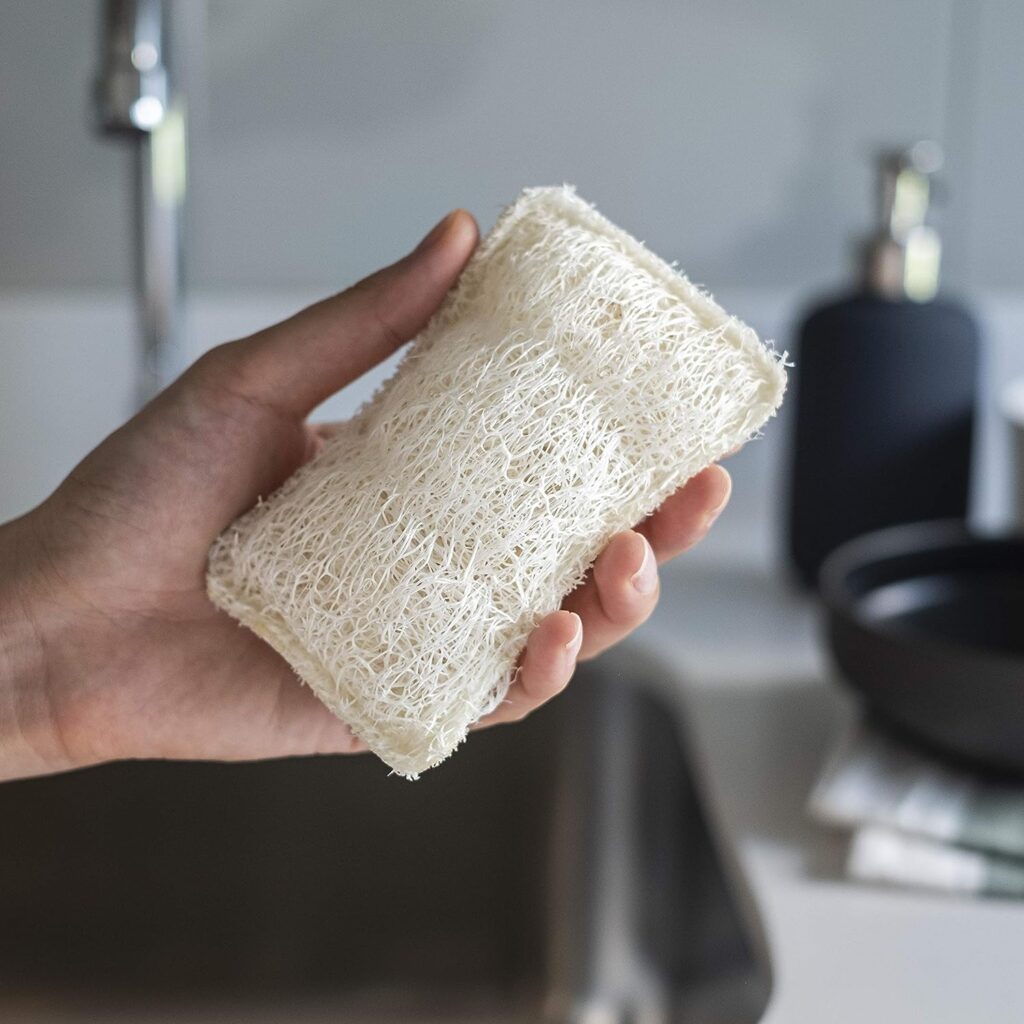
Black Spots or Mould on a Loofah: Should You Throw It Away?
Black spots on loofah are usually mould, or soap and dirt that have built up…
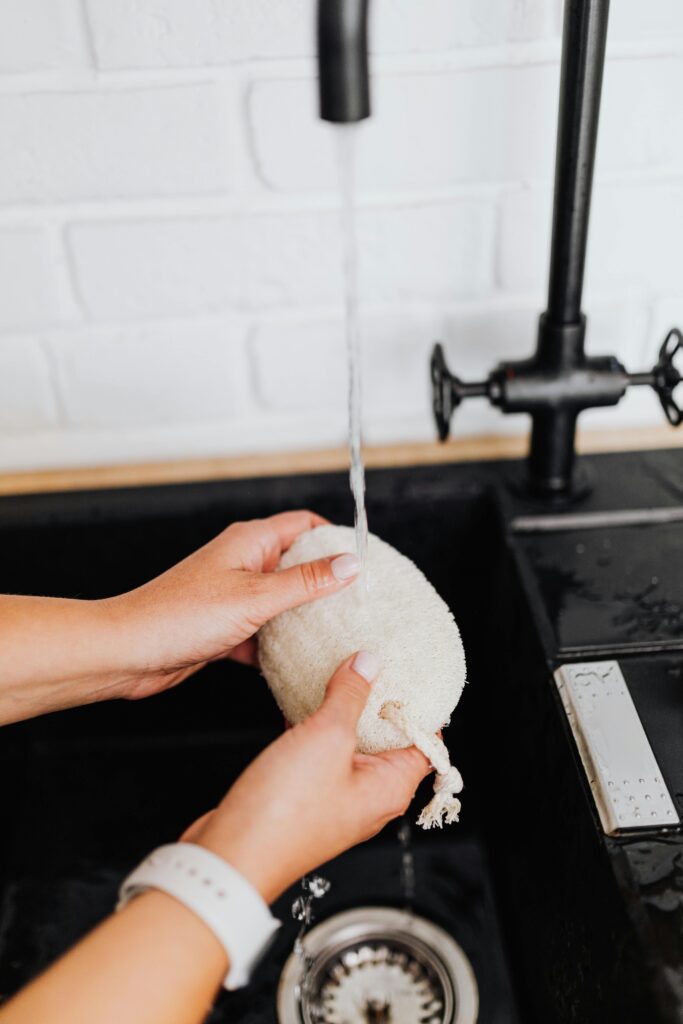
Why Does My Loofah Smell? Causes and Fixes
A loofah smells when it stays damp, when soap stays trapped in the fibre, or…
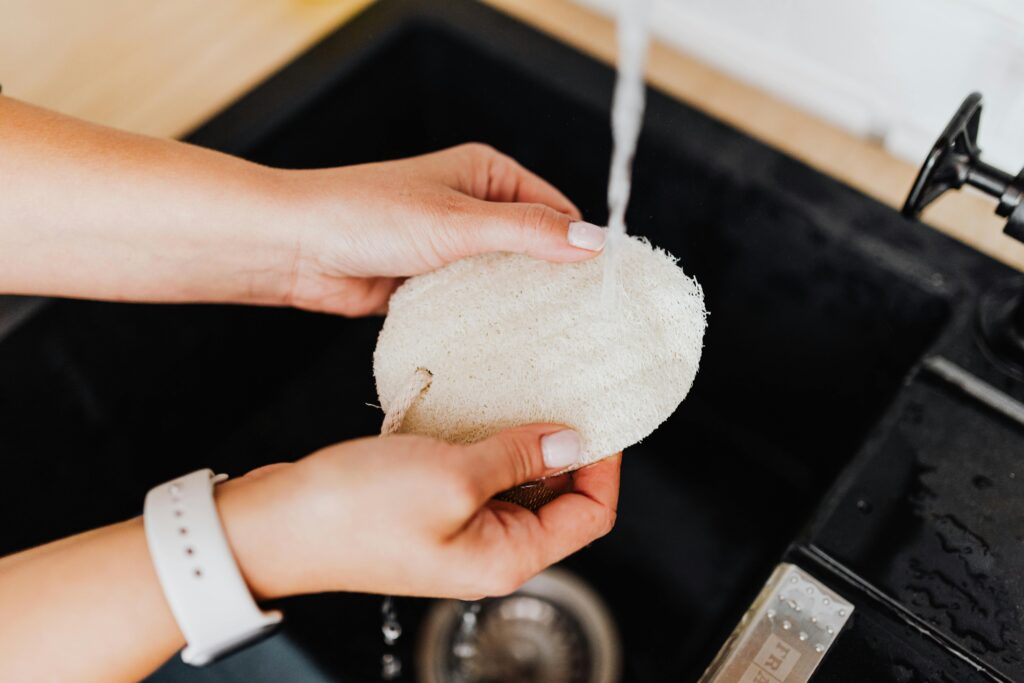
Loofah Care: The Complete Guide to Cleaning, Drying, Storing and Replacing
A loofah lasts longest when you rinse it after every use, let it dry fully…
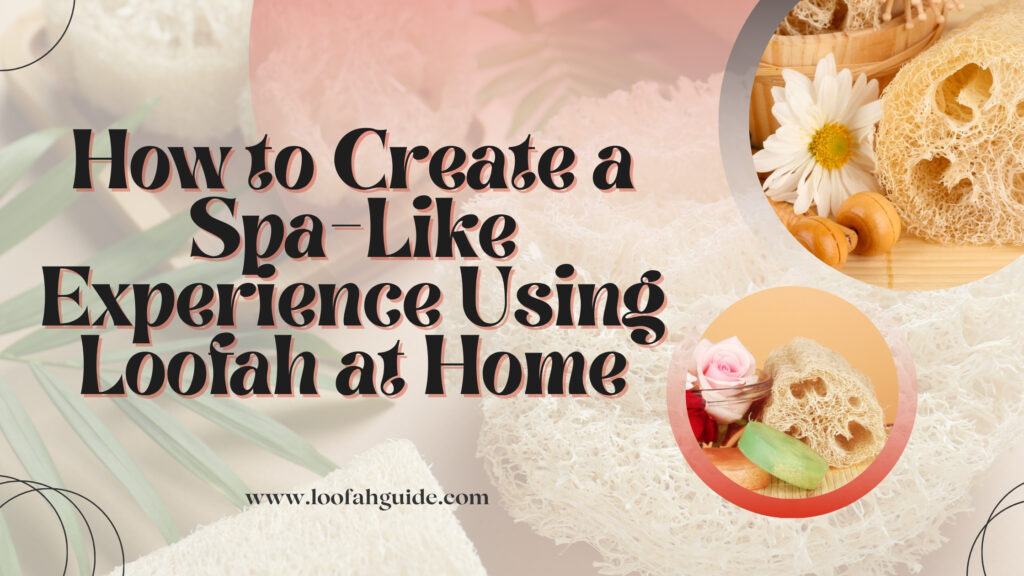
How to Create a Spa-Like Experience Using Loofah at Home
Short answer: To make a shower feel like a spa, wet a natural loofah in…

The Hygienic Truth: Are Natural Loofahs More Sanitary Than Synthetic Sponges?
Short answer: Care matters more than the material: any bath sponge that stays wet between…

What to Look for in Raw Loofah for Manufacturers and Everyday Users
Short answer: Good raw loofah feels firm and heavy when dry, has an even natural…

What Is a Loofah Called in Different Countries? A Complete Global Name Guide
Short answer: A loofah is also called luffa, leefa in Egypt, hechima in Japan and…

How to Use Different Loofah Sizes in a Multi-Use Routine: The Complete Consumer Guide
Short answer: Use a small loofah for the face and hands, a mid-size one for…

Behind the Scenes of Packaging: How Bulk Loofah Is Prepared for Export
Short answer: Before export, loofah is dried, sorted, checked and packed in cartons. EGEXO processes…
How Natural Loofah Sponges Are Made
Growing the Loofah
Loofah plants grow on vines in warm climates around the world. Farmers cultivate the gourds for 150 to 200 days until they reach full maturity.
Harvesting and Drying
Workers pick mature gourds once the skin turns brown. They remove the outer shell and dry the fibrous interior in the sun for several weeks.
Cutting and Shaping
Dried loofahs get cut into specific sizes for different uses. Workers trim rough edges and remove seeds to create smooth surfaces.
Packaging for Bath or Kitchen Use
Finished sponges get sorted by quality and packaged. Bath sponges need softer textures while kitchen scoubbers stay more abrasive.
Exporting Worldwide
Packaged loofahs ship to retailers across the globe. Major producers include Egypt, China, and Central America, supplying markets worldwide.
Want to Buy Loofahs in Bulk?
Partner with EGEXO For Export, a family-run Egyptian loofah manufacturer and exporter. We have been exporting since 2015. No minimum order on standard products. Private label from 1,000 units.
Visit EGEXO Wholesale →Why Choose Natural Loofah?
100% biodegradable, eco-friendly, and plastic-free. Natural loofahs are the sustainable choice for home, bath, and kitchen. Learn how they support a greener lifestyle.
Read More in Eco Loofah Living →